
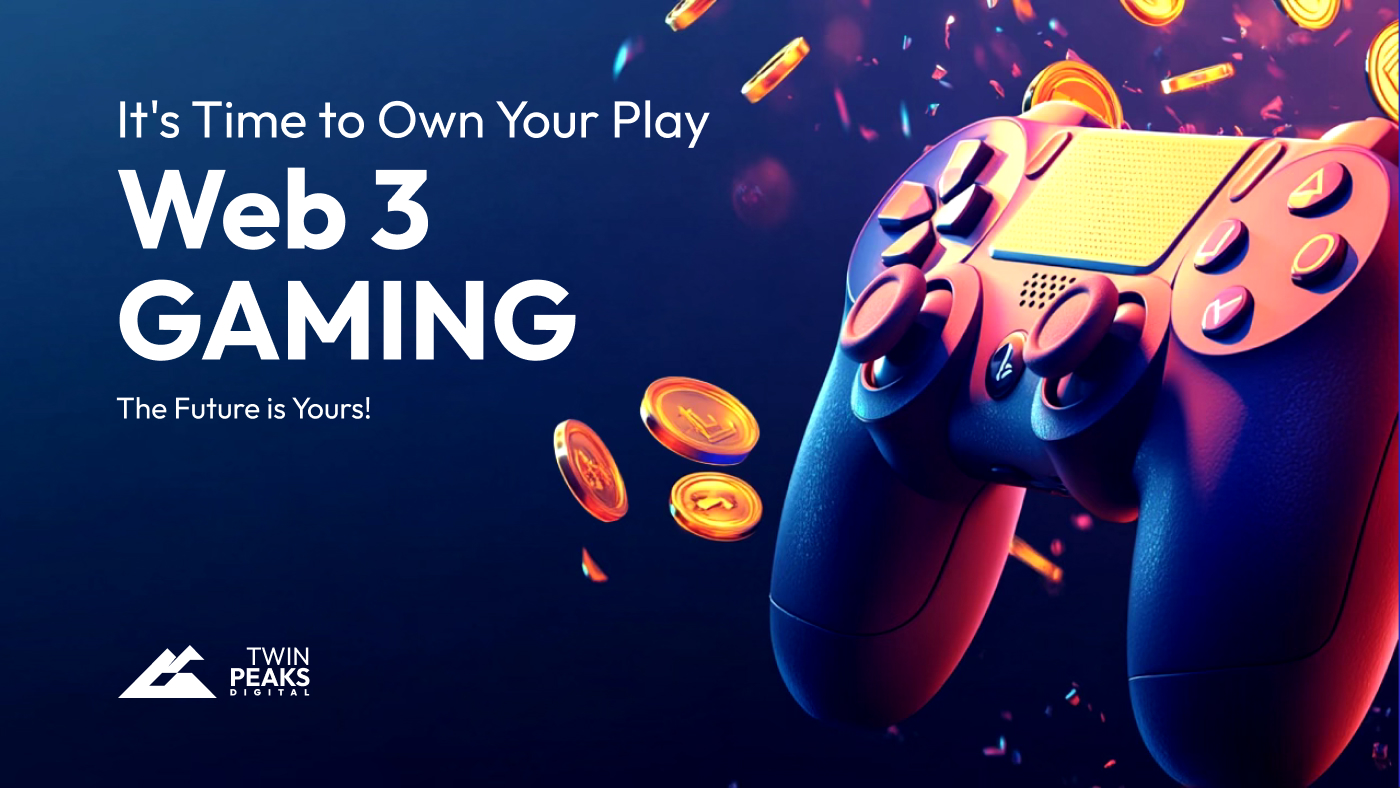
In the relatively short history of gaming, a new model has emerged that is revolutionizing the way we interact with video games. On the forefront of this change what we have is Play-to-earn (P2E) games that reward players with tangible value for their time and effort besides being a source of fun. This new model is revolutionizing the gaming sector, and changing the way people play and communicate in games.
The Evolution of Gaming
In the past, it was only an entertainment type. All gamers would like to spend quality time on their most preferred games then come out of the game to receive hardly anything for their time except the satisfaction of completing the game or a fading image of the game they’ve just played. In recent years, however, the emergence of digital currencies and the use of blockchain technology has made it possible to implement a new approach. Thanks to video game assets, players are now able to obtain valuable assets without any effort but gaming, thus changing the interaction between gamers and developers.
Understanding Play-to-Earn
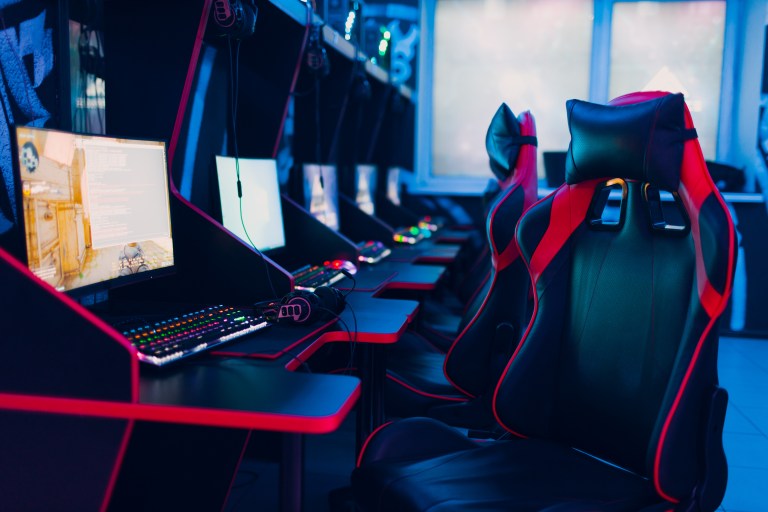
In its simplest form, play-to-earn business model involves the concept of playing games in return for earning cryptocurrency or other digital assets. This can vary from easily recognizable forward like gadgets, and in-game items to actual hard currencies that can be bought and sold in real economy. In contrast to the conventional gaming that implies buying games and subscribing to them, P2E games establish an environment in which players are paid for their efforts. This change has led to the emergence of a new type of player control and financing in the sphere of games.
The Appeal of Earning While Playing
The allure of earning real-world value while enjoying a game is undeniable. For many, the idea of turning a hobby into a potential income stream is incredibly appealing. Players can invest their time and skills into P2E games, often finding themselves engaged in a vibrant community that values their contributions. This dynamic not only enhances the gaming experience but also fosters a sense of belonging and achievement that transcends mere gameplay.
Moreover, the global nature of blockchain technology means that players from various economic backgrounds can participate in these ecosystems. This inclusivity has attracted individuals who may not have previously engaged with gaming, broadening the community and diversifying the experiences offered within P2E environments.
The Impact on Game Development
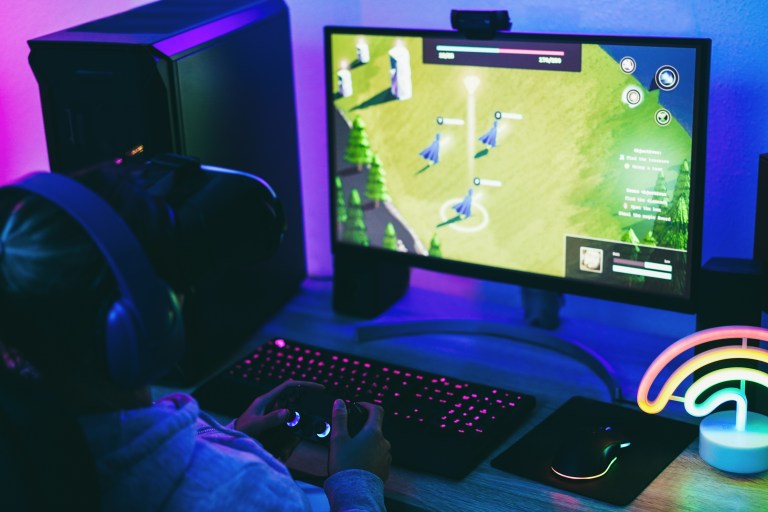
As the P2E model gains traction, game developers are rethinking their strategies. Traditional models often relied on microtransactions, which can sometimes lead to player frustration or dissatisfaction. With P2E, developers are incentivized to create engaging content that keeps players invested, as their success directly impacts the overall economy of the game. This alignment of interests fosters innovation and encourages developers to prioritize player satisfaction.
Additionally, the integration of blockchain technology allows for more secure ownership of in-game assets. Players can truly own their items, transferring them freely between platforms or even selling them in external markets. This ownership model contrasts sharply with conventional gaming, where assets are often locked to a single account or platform, leading to frustrations about digital rights.
Challenges and Considerations
However, the P2E model is not without its drawbacks, as will be discussed below. Cryptocurrencies are fluctuating in value and thus can cause fluctuating rewards, which is not suitable for players. Also, the integration of blockchain technology with the gaming industry brings other emerging issues which need to be solved. However, as players and developers enter this realm, proper sustainability needs to be applied to the functioning of P2E.
Also, more and more players are interested in earning money, which can lead to the fact that the game process becomes less important. There is always a fine line for developers to tread, and that is keeping rewards rewarding but not getting in the way of fun. The overall health of the community where P2E games are being developed and played will be important, where fun and earning are not mutually exclusive.
The Future of Play-to-Earn
In the future, P2E gaming has a lot of potential. In the future more complex systems could be implemented that improve the overall experience of the players and the number of ways to make money from it. Think about the possibility of the players working on the missions which in addition to bringing in-salary, progress the development of the game as well. Such level of interactivity could change the nature of how games are consumed, but, more importantly, it could change the nature of how games are made and developed.
The social aspect of gaming is also set to change. In order to contrast with P2E, gamers have the opportunity to build valuable relationships: form guilds and communities for achieving shared objectives. They can enrich the brotherly and competitive feelings and make the game more interesting and exciting.
At The End
For both players and developers, embracing the P2E model represents a significant shift in the gaming landscape. As more individuals recognize the potential of earning through gameplay, we are likely to see an influx of innovative ideas and game designs that challenge the status quo. This evolution could lead to a future where gaming is not just a form of entertainment, but a viable economic activity that empowers players worldwide.
In conclusion, play-to-earn games are not merely a trend; they are a revolutionary approach that is reshaping how we engage with video games. By merging entertainment with tangible rewards, P2E is creating a more inclusive and rewarding environment for players. As this model continues to evolve, it promises to bring about profound changes in both the gaming industry and the lives of those who immerse themselves in these digital worlds. The journey has only just begun, and the possibilities are limitless.
